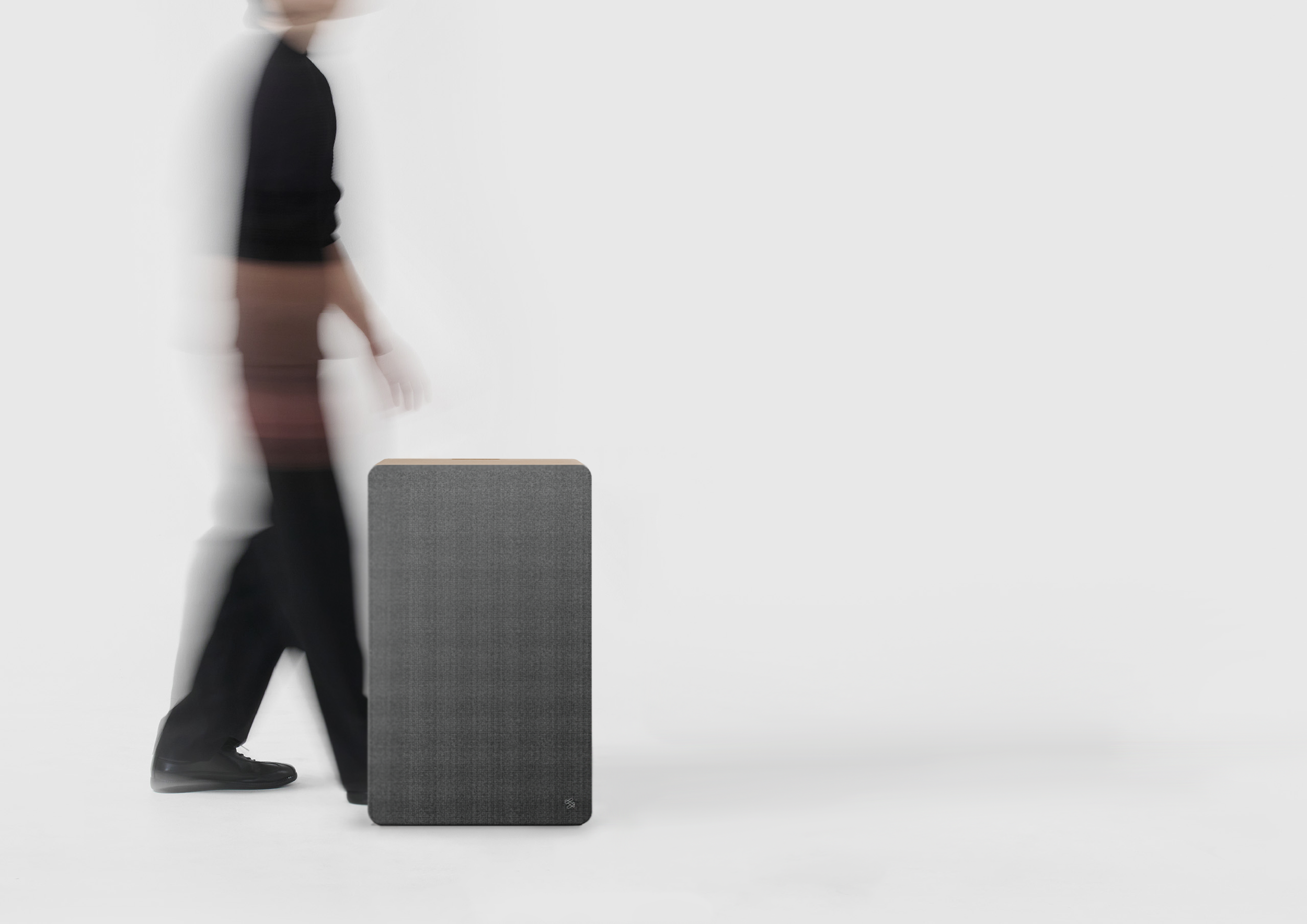
Sound that behaves like infrastructure.
Technology, Industry
Sound that behaves like infrastructure.
Professional sound is often discussed in terms of performance. Output, coverage, clarity. These qualities matter, but they describe a single moment. In practice, many of the real challenges appear over time, not when sound is first turned on.
Spaces change. Setups move. A system used for one configuration in the morning may need to support a different layout later the same day. Venues add new use cases. Event and rental systems are extended, split, or reused across locations. What worked yesterday is expected to work again tomorrow, often under different conditions.
In these environments, the value of a sound system is not only how it performs, but how reliably it can be adjusted and reused within the same system structure.
When sound behaves like infrastructure, the relationship changes. Setup becomes predictable. Expansion does not introduce uncertainty. Familiar workflows remain intact even as systems grow, shift across spaces, or are redeployed in new contexts. Tools are chosen for how consistently they work together over time, not for individual features.
For event and rental professionals, this consistency supports faster planning, clearer expectations, and fewer surprises on site. For venues and long-term installations, it creates confidence that the system will continue to perform as needs evolve. Different contexts, the same requirement: sound that supports change without becoming harder to manage.
At SOWA, this perspective influences how we design our systems. We focus on maintaining the same system logic across different scales and uses, so that sound can adapt without adding complexity. Whether a setup changes several times a day or remains in place for years, the behaviour of the system stays familiar.
Professional sound does not need to feel temporary to remain flexible.
It needs to be designed to support change without losing structure.